Link: https://thesun.my/business/smd-semiconductor-aims-gan-at-smart-meter-energy-storage-markets/
By Hayatun Razak
KUCHING: Sarawak-based SMD Semiconductor Sdn Bhd is eyeing the global smart meter and battery energy storage markets as key applications for its gallium nitride (GaN) power semiconductor technology.
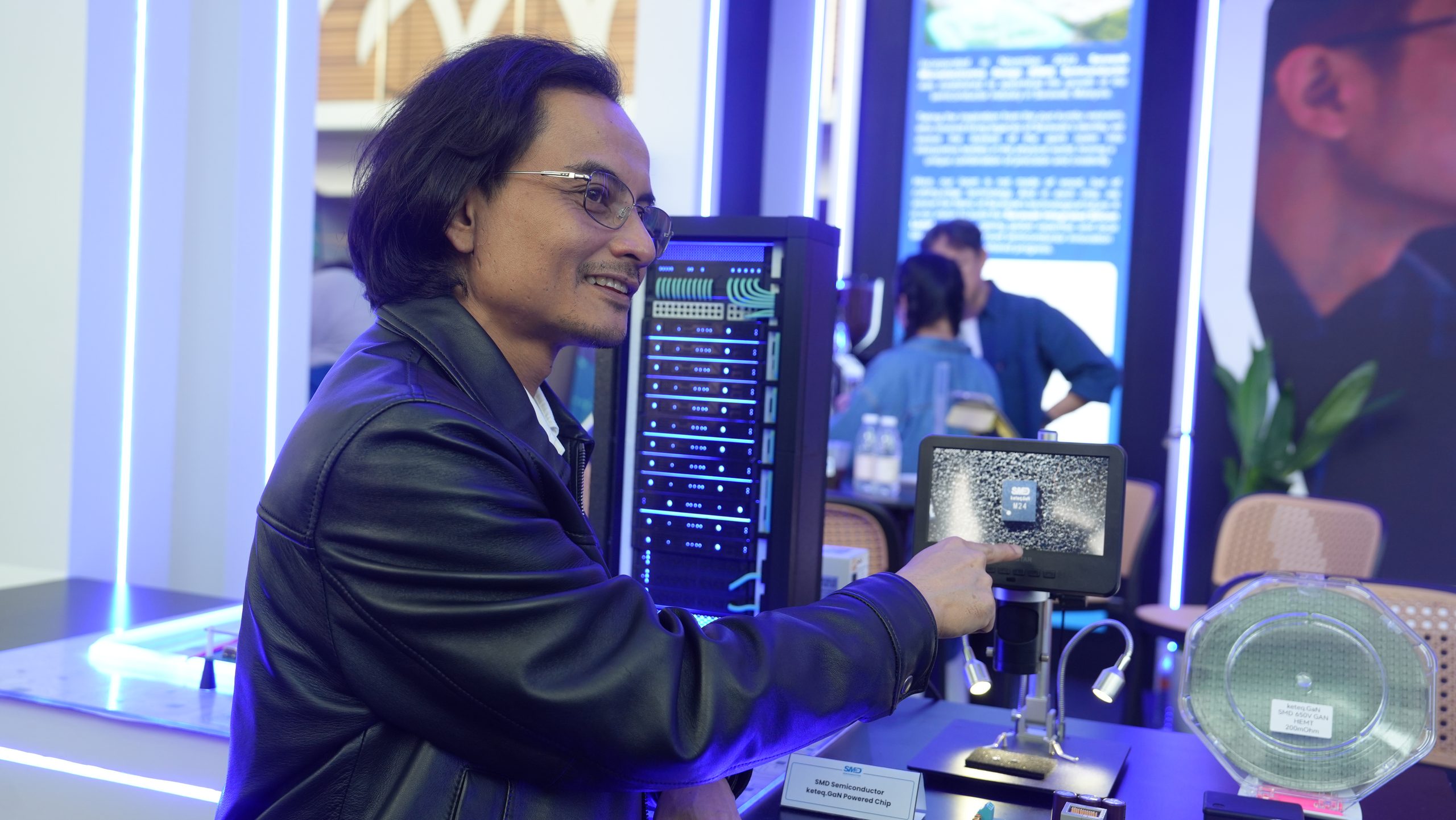
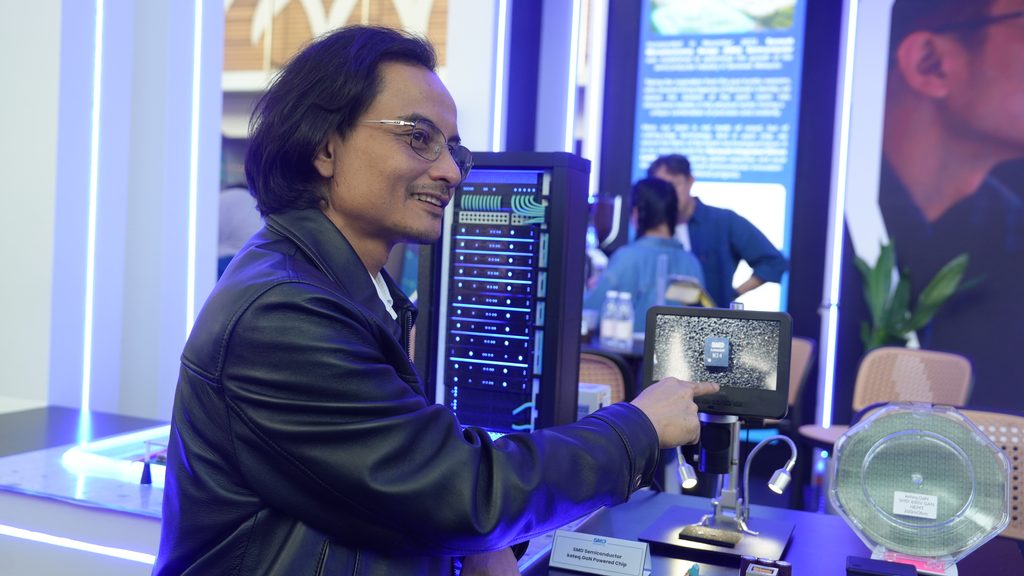
SMD CEO Shariman Jamil said the company’s QTech GaN technology was designed for applications including battery energy storage systems (BESS), power smart meters, power conversion systems and solar inverters, particularly in renewable energy and power grid applications.
“The market that we aim for is a global market. So, the GaN, the QTech GaN, which is inspired by our Right Honorable Premier, is actually a power semiconductor specifically to be used in applications such as the battery energy storage, the power smart meters, the power conversion systems, and also solar inverter systems.
“So, these are the power grid renewable energy applications. So, QTech GaN is designed specifically to fit that requirement, next-generation requirement for more efficient power device, more compact, densification is one of the key trend at the moment. And our aim is to capture the global market,“ he said during a semiconductor panel at the International Digital Economy Conference Sarawak 2026 here.
Shariman said the global smart meter market was worth about US$11 billion (RM44.88 billion) this year, while the battery energy storage market had reached about US$30 billion. “How do we capture at least to start with 0.01% of that market for Sarawak?”.
He said SMD planned to work with international partners, local agencies and the government to develop local-content products incorporating its semiconductor technology into partners’ products.
The products would first be deployed locally before being showcased to the wider Asean market.
“If we able to do that, if we be able to show that our products, our technology GaN, our QTech GaN can be showcasing in Asean market, that’s where we will fly,“ Shariman said.
SMD has an existing memorandum of agreement with Jiangsu Linyang Energy, which Shariman described as a tier-one battery energy storage and smart meter provider.
He said SMD would begin integrating QTech GaN with Linyang’s products from next year.
SMD is also developing additional semiconductor products, although Shariman said details could not yet be disclosed.
“We will keep continue coming up with our next generation of chips, and this will serve the purpose of the battery energy storage, solar inverters, smart meters, data centres,“ he said.
Shariman said the company is also positioning GaN technology for the growing requirements of AI data centres, where higher power density is increasingly important.
The development of QTech GaN forms part of SMD’s broader strategy to bridge what Shariman described as a gap in Malaysia’s semiconductor value chain.
He said Malaysia already had strong capabilities in packaging, assembly and electronics manufacturing services, but needed to develop more locally owned intellectual property and products to capture higher-value portions of the global semiconductor value chain.
“That was our purpose and our intention. We want to bridge the gaps. We want to capture the high-value parts of the global supply chain,“ he added.
SMD was established in 2022 and began operations in 2023 with the objective of developing technology owned by Sarawak that could be deployed in Sarawak and Malaysia before being taken to global markets.
Shariman said the company identified industrial electronics and AI computing and data storage as key opportunities for Sarawak, leading to its focus on power semiconductor technology such as GaN.
At the same panel, X-FAB Malaysia deputy CEO Gary Chew said attracting more semiconductor investment would depend on individual companies deciding that Sarawak was the right place to do business. “A hub cannot be designed from the ground up; it is actually individual companies that decide individually that they want to do business here.”
Chew said factors including technology, talent, power, water, incentives and long-term confidence would influence companies’ decisions on major semiconductor investments.